









Understanding the psychology behind risk Why we gamble at casinos
The Thrill of Uncertainty
At the heart of gambling lies the allure of unpredictability. Many individuals are drawn to casinos because they thrive on the excitement of not knowing what will happen next. This sense of uncertainty triggers the brain’s reward system, releasing dopamine and creating feelings of pleasure. Even the possibility of winning can fuel a gambler’s desire to engage in more risky behavior. If you’re looking for a good time, many people explore the best crypto betting sites to enhance their gaming experience.
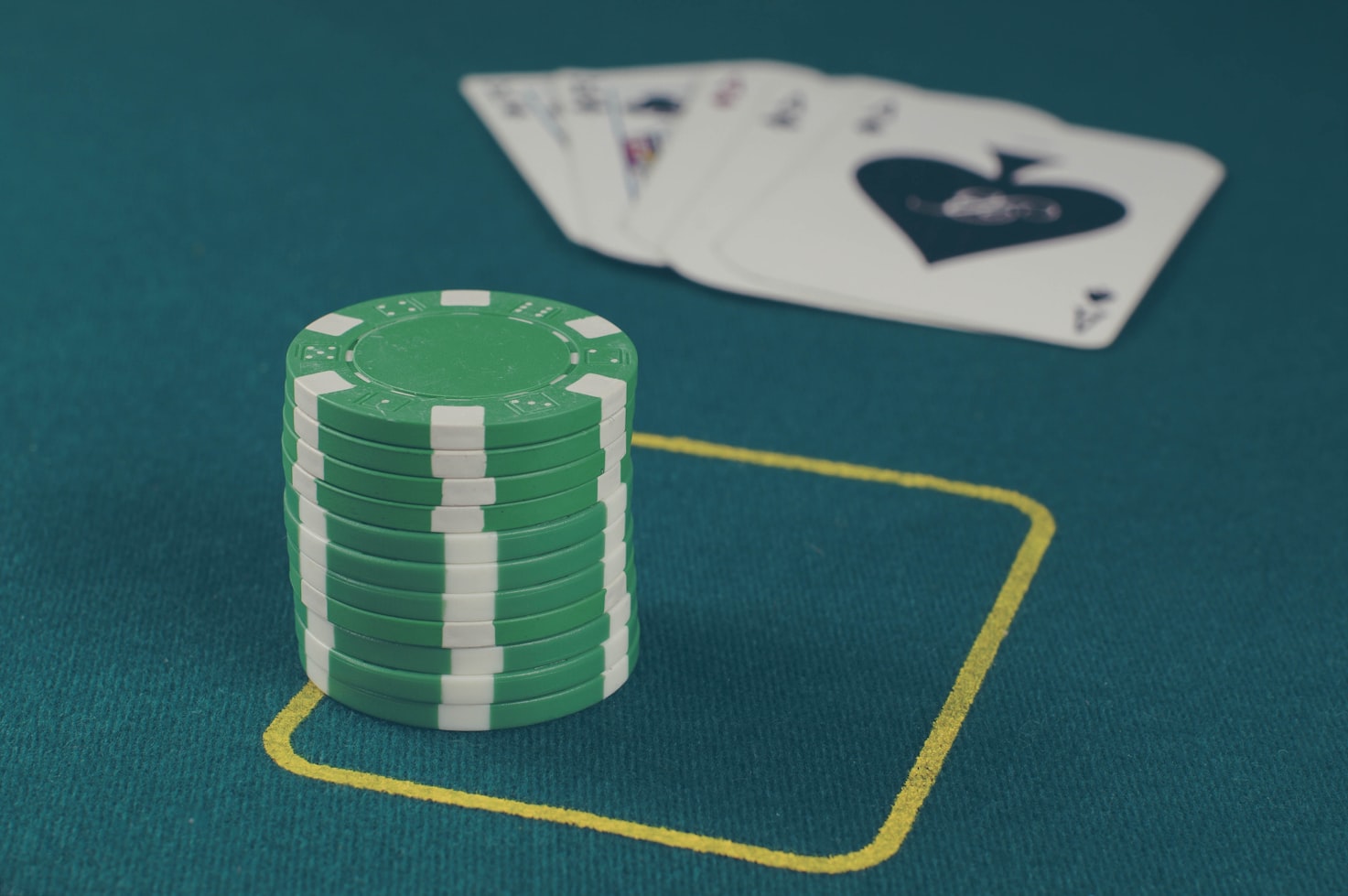
This thrill is compounded by the concept of ‘near misses,’ where players come tantalizingly close to winning. These experiences can reinforce the belief that success is just around the corner, enticing individuals to continue gambling despite previous losses. This psychological phenomenon explains why people often return to casinos, even when they are aware of the odds stacked against them.
Social Dynamics in Gambling
Casinos serve as social hubs, attracting individuals who seek not just monetary rewards but also connection and camaraderie. The social aspect of gambling can heighten the enjoyment and make the experience more appealing. Interacting with fellow gamblers or enjoying the ambiance of a bustling casino can create a sense of belonging that enhances the overall appeal of gambling.
Moreover, group dynamics can lead individuals to make riskier decisions than they would on their own. The presence of friends can amplify the excitement, encouraging players to take larger risks and increase their stakes. This social pressure can be a significant factor in the decision to gamble, as people often want to fit in and share in the excitement of the moment.
The Illusion of Control
A common psychological phenomenon in gambling is the illusion of control, where individuals believe they can influence the outcome of a game through their actions. Players may think that their strategies or skills can sway the odds in their favor, even in games that are purely based on chance. This belief can lead to more significant investments of time and money.
This illusion can be particularly strong in games like poker, where players feel their decisions impact the outcome. However, even in games of pure luck, such as slot machines, gamblers often convince themselves that their choices—like which machine to play or when to cash out—play a crucial role in their success. This mindset can perpetuate a cycle of gambling, as players become increasingly invested in their perceived influence over the outcomes.
Myths and Misconceptions About Gambling
Despite the growing popularity of casinos, many myths and misconceptions surrounding gambling persist. One prevalent myth is that certain games or machines are ‘due’ for a win after a string of losses. This belief can lead players to continue gambling with the hope that luck will finally turn in their favor. However, each game is independent, and past outcomes do not affect future results.
Another misconception is the idea that high-stakes gambling guarantees larger wins. While high bets can result in substantial payouts, they also increase the risk of losing money quickly. Many players underestimate the potential for losses and overestimate their chances of winning, often leading to regrettable financial decisions. Understanding these myths can help individuals approach gambling more responsibly.
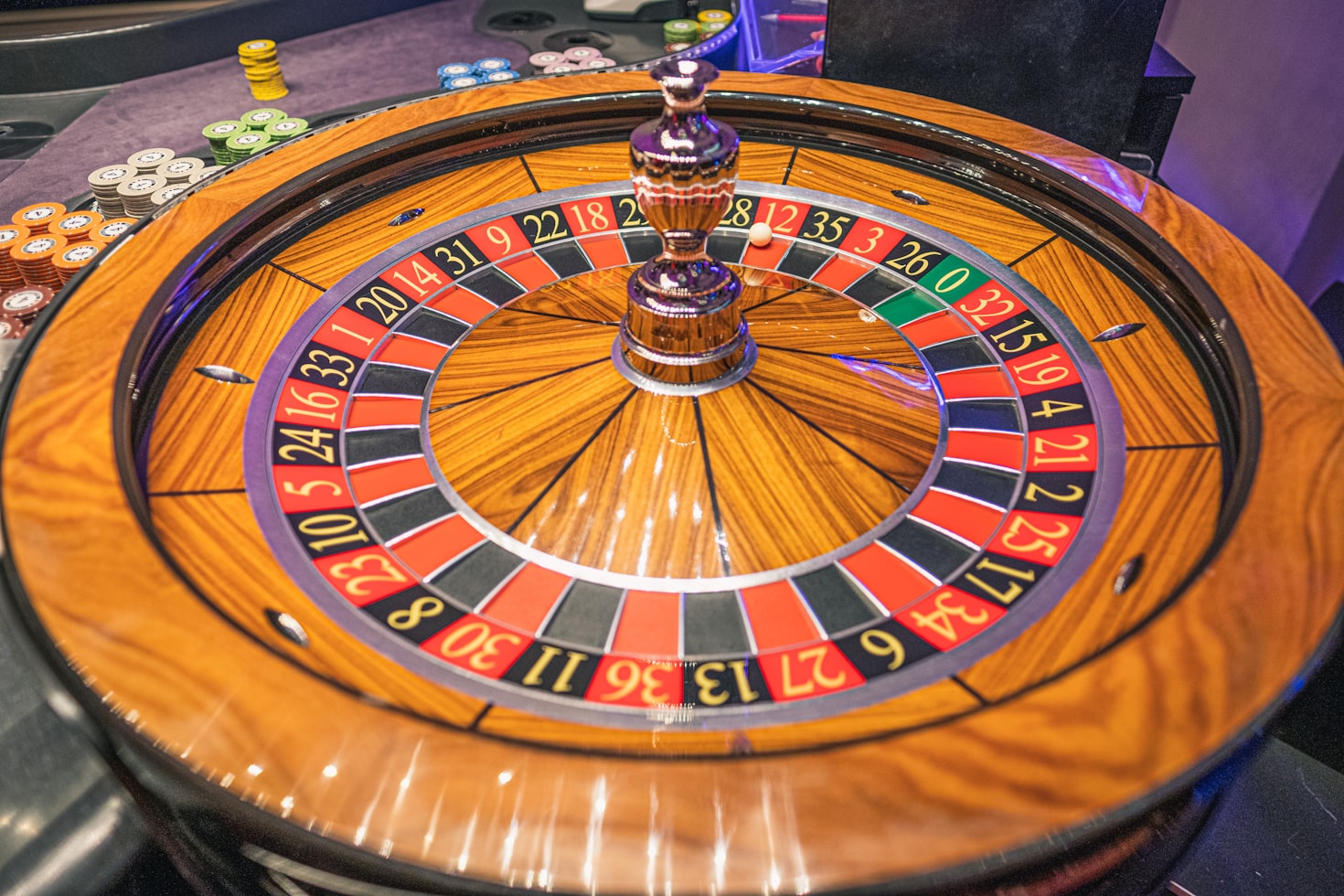
Navigating the Landscape Responsibly
As the world of gambling evolves, it is crucial for players to navigate it responsibly. Understanding the psychology behind risk can empower individuals to make informed decisions rather than succumbing to impulsive behaviors driven by excitement. Recognizing the factors that draw people to gamble can help create a more balanced approach to gaming.
The importance of awareness and self-control cannot be overstated. Players should be encouraged to set limits on their gambling activities and to seek out resources that promote responsible gaming. By prioritizing education and mindfulness, individuals can enjoy the thrills of casino gambling while minimizing the risks associated with it.